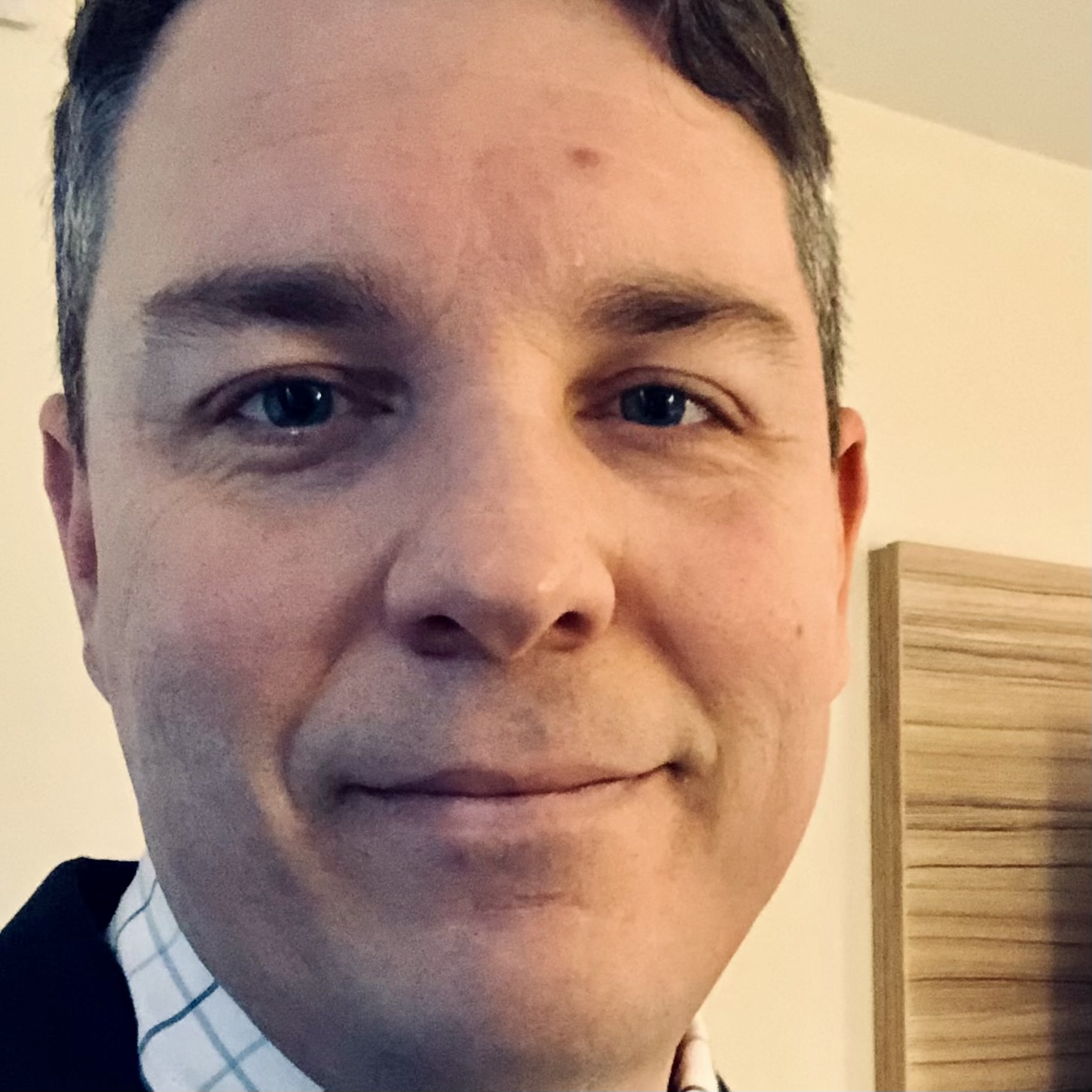
Faculty, U.S. Army War College · PhD, Military History
Mark C. Askew studies how armies learn, how strategy actually gets made, and what commanders do when the map runs out. Twenty-one years in uniform. One book on the way. A newsletter about judgment under uncertainty.
James H. Wilson and the Development of American Strategic Culture, 1860–1899
James Harrison Wilson led the largest cavalry force ever assembled in the Western Hemisphere, tore the industrial heart out of the Confederacy, and brought order and purpose to the American military government in Cuba. His career is a map of how the American way of war was drafted, revised, and sold.
This book follows Wilson from Selma to Santiago and argues that the strategic scripts written between 1860 and 1899 still shape how the United States thinks about force, occupation, and empire.
FORTHCOMING · MARCH 2027
Get notified at releaseEssays on military history, strategy, and judgment under uncertainty. What happens when commanders face situations where nothing is clear, and everything is happening all at once. Free to read, delivered by email.
Subscribe →Drone-enabled infantry fuses sensor and shooter into a single platform, decentralizing the kill chain and extending a squad's reach across a dozen miles. Co-authored, June 2025.
Read the essay →Operational art on the sensor-rich battlefield. Adversaries trust intelligence that confirms their biases, from Hannibal's bait to the Allied deception before Normandy. Co-authored, March 2025.
Read the essay →American strategic ambiguity in the military government of Cuba, 1899. Washington prioritized stability and left commanders to infer national policy through experimentation.
Read the article →Reconcentración and the failure of relocation as counterinsurgency, in A Global History of Relocation in Counterinsurgency Warfare, ed. Edward J. Erickson.
View the volume →Future deception plans must account for AI-integrated sensors and decision-making, which present new challenges and opportunities.
Read the interview →Chapters on terrain analysis at Longstop Hill, enemy analysis before the Battle of the Bulge, and mission analysis at Pegasus Bridge, in the West Point guides to warfighting, small unit operations, and platoon operations.
Request full CV →Mark C. Askew is an active duty Army lieutenant colonel with twenty-one years of service, nine of them in the field practice of strategy. He currently teaches at the U.S. Army War College in Carlisle, Pennsylvania, where he works with senior officers on strategy, history, and decision-making. Previous assignments include concept writer and branch chief at Army Futures Command, war plans officer at USARCENT, and assistant professor of history at West Point.
He holds a PhD in military history from Texas A&M. His research engages strategy, the American Civil War, military occupations, and counterinsurgency: how armies write the scripts they later follow, and what happens when the script fails. His first book, Hard War, Soft Empire, traces that story through the career of James H. Wilson.
Off duty he fly fishes, loses at pickleball with dignity, and keeps a Call of Cthulhu campaign alive against long odds.

For speaking, media, review copies, or research correspondence, email is the reliable channel. For everything else, the newsletter is where the thinking happens first.
Send an email